Why Going Too Hard, Too Fast Might Be the Thing That Makes You Stop

About the Author: Hannah Breal, PT, DPT is the co-owner of Made 2 Move Physical Therapy in Charleston and Charlotte. She helps athletes and active adults rebuild strength, mobility, and confidence so they can move pain-free for life.
Made 2 Move Physical Therapy – Charleston | Daniel Island | Mount Pleasant | Charlotte
One of my friends called me crying last week because of how bad she was hurting.
She just started working out — and now everything hurts
Quick back story: she recently joined a gym (which is great!!)
But before joining, she hadn't really ever lifted weights or worked out...
Now, she's been going to their group classes almost every day for a few months.
She LOVES it — which is awesome — but she called me last week super upset and worried because everything hurts.
Her knees, hips, backs, shoulder, ankles, did I already say knees? It ALL "feels like trash." her words, not mine.
She's not recovering well, most of the movements at the gym hurt, and she doesn't know what to do.
She's terrified she's going to have to stop going to the gym and realllly doesn't want to. Talking with her made me realize two things:
1. This happened to me (several) years ago
I had just started CrossFit and I was super into it, going all the time, pushing myself to the max, going heavier, learning new movements, and all of a sudden I hit a wall. Everything hurt.
I was terrified that I'd have to stop doing the thing I'd fallen in love with.
Fortunately for me, I found a PT that helped me solve my injuries and keep working out (that is what inspired me to become a PT)
2. So many people do this exact thing
CrossFitters. new lifters. runners. 20 year olds. 40 year olds. 60 year olds. you name it, we all do it.
When we start a new habit, we feel super motivated and excited. Working out feels good, so we push ourselves. We go faster. Heavier. Harder. We think more = more.
We fall in love with exercise and go hard in the paint until something forces us to stop.
But when we go too hard instead of playing the long game, in a couple months, something hurts, and everything comes to a screeching halt.
This might seem like a weird newsletter to send as a physical therapist who preaches movement and exercise all the time.
But it's a lesson I don't want you to have to learn the hard way, so here's what I wish everyone understood.
Health, movement, and exercise are all infinite games
The goal isn't to win.
The goal isn't one good stretch of workouts.
The goal is that you never have to stop — that you can keep exercising and moving forever.
That means we need to be very careful about anything that could put that at risk — anything that could cause us to need to stop or take a break.
And one of those things is going way too hard too fast and getting injured or honestly, just burnt out.
This is not meant to scare you. This is meant to TEACH you how to do it the right way so you don't have to stop. Like most things in life, we get the best benefits from exercise and movement when we make it a habit and we do it consistently, regulaly, over decades — not just for a couple of months.
that means we need to approach it with a long game mentality: how can we set ourselves up to make this habit SUSTAINABLE?
How would you approach the gym if your only goal is to never stop going?
How I'd approach the gym if my only goal was to never stop
Personally, here's what I'd do, and what I'd recommend:
1. Find a gym that works with your schedule and life routine
Don't make it harder on yourself than it needs to be by joining a gym that requires you to rework your entire life.
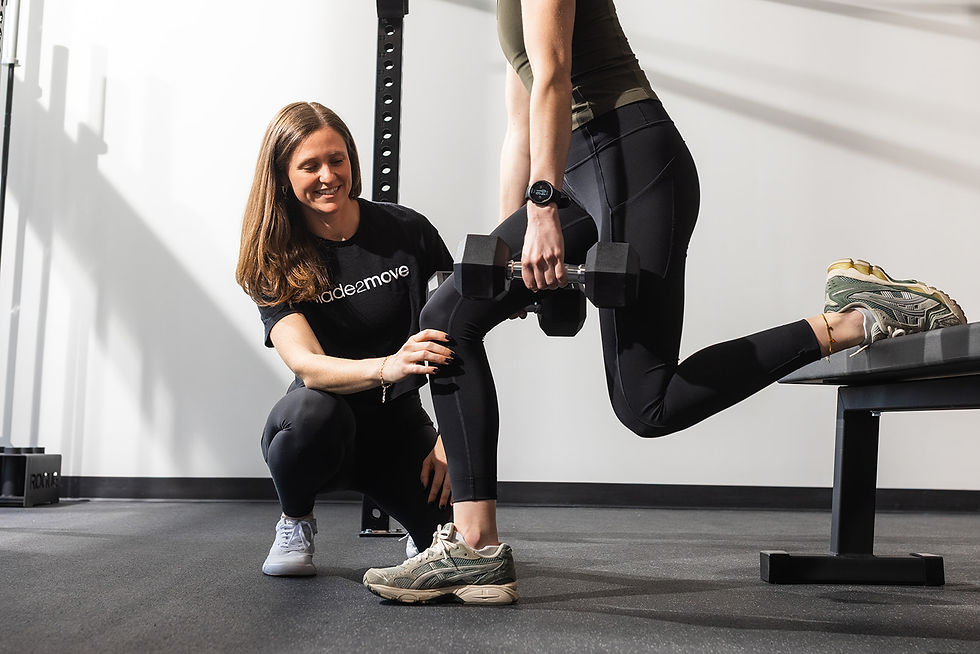
2. Get a coach, trainer, or class with a smart, progressive program
Get a coach, trainer, or join a workout class that gives you a smart, progressive program and ideally, individualized attention.
If all your coach does is tell you to "go heavier" IMO that's not a coach.
The program — the reps sets exercises etc — is a MAJOR factor in the results you get.
Right program: challenging but doable, sustainable, helps with your goals, enjoyable, includes all movement patterns at the right dosage
Wrong program: pushes you to the max every day, way too much too soon, so much stress that you get injured from doing more than your body can handle
3. Make it FUN!
Look... I get that not everyone's hobby is working out with their friends.
But if it's miserable every day and you dread it? You're not gonna keep it up.
find a way to make it (somewhat) enjoyable. Go with a friend. Get a new cute outfit or pair of shoes. Find a gym that plays fun music. whatever you need to do to not dread it.
4. Prioritize recovery (aka sleep & nutrition)
Prioritize recovery (aka sleep & nutrition, not all the fancy recovery tools you see online)
I know I know, it's like your mom telling you to eat your vegetables...
but we ONLY get results from the gym when we recover properly. that's where the repair and growth and adaptation process actually happens.
If all you have is stress — and no recovery — that's like making banana bread, but never turning on the oven:
You just have the batter, and if you eat too much of it without cooking it, you might get salmonella. ew.
So get your sleep right and make sure you're eating enough of the right things to actually fuel your body and give it what it needs to BUILD.
Exercise is good for you — it just has to be dosed right
Exercise is GOOD for us. It is meant to be hard and challenging and stressful.
But we have to make sure it's dosed properly for where we're currently at so that we actually
RECOVER from it and ADAPT to it.
So if you just started working out, I want you to play the long game.
What do you need to do so that you can keep working out forever?
The goal isn't just 2 months of good workouts.
The goal is that you never have to stop.
Want to understand your body better, move with confidence, and stay active for life?
I write a weekly letter on pain, movement, and health — sharing how I actually think about injuries, training, and taking care of your body (without the fear-based nonsense).
If this sounds helpful, you can sign up to get the letters here.
Written by Hannah Breal, PT, DPT, Co-Owner of Made 2 Move Physical Therapy, helping Charleston and Charlotte move pain-free for life.